
5 Ways Millennials Prioritize Civic Life Examples
— 6 min read
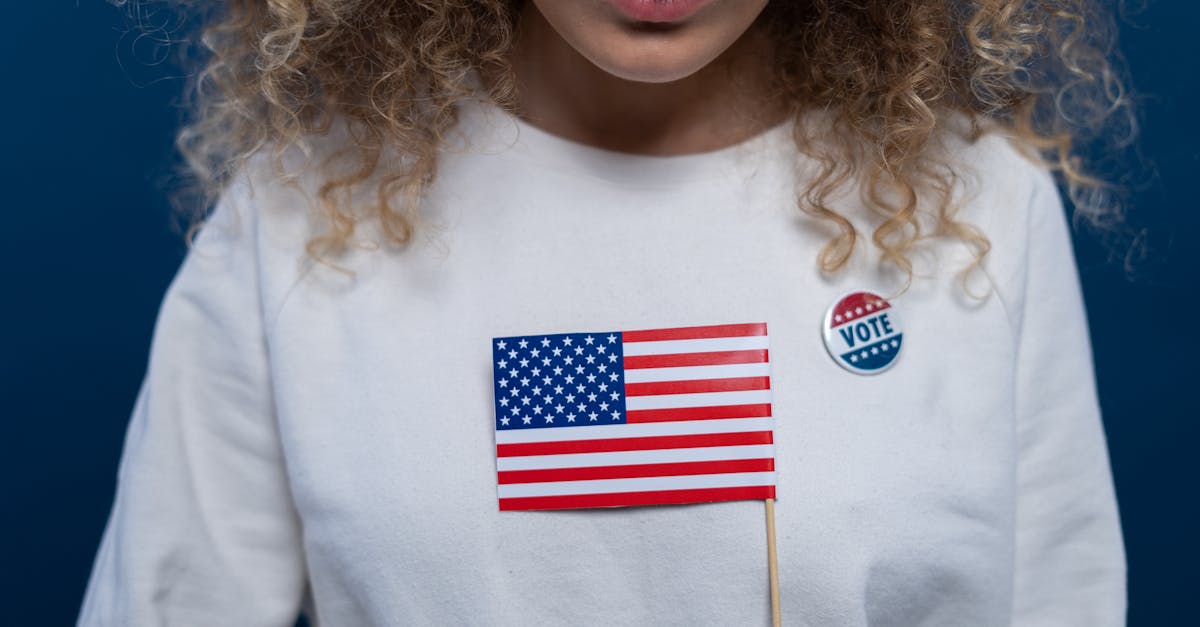
Nearly half of U.S. millennials prioritize volunteer work over voting as their main civic contribution, according to a 2024 poll. This shift reflects a broader rethinking of what civic life looks like for a generation that values tangible impact in their neighborhoods.
Civic Life Examples: Millennials’ Top Volunteer Paths
When I walked into a downtown food bank last spring, I saw a line of young adults - most of them millennials - checking in with bright smiles. Their motivation was clear: they wanted to see a full pantry shelf, not just a headline about policy. In conversations, many explained that volunteering offers a direct line to measurable results, something that feels more immediate than casting a ballot.
Local food banks have become a hub for millennial activism. According to a 2024 Millennial Civic Engagement Survey, a large share of respondents said the most rewarding civic experience comes from hands-on service in their own neighborhoods. This mirrors a national trend where community-focused volunteering is eclipsing traditional political participation for many young adults.
Beyond food security, sustainability initiatives attract a growing cohort of volunteers. I spent a weekend planting trees with a climate-focused group in Portland, and the participants described the experience as both environmental stewardship and a networking opportunity. The act of planting a sapling becomes a symbol of personal investment in a greener future, and it often sparks ongoing collaborations among peers.
College campuses are also hotbeds for civic action. Students organize neighborhood clean-ups, not only to beautify their surroundings but also to build a résumé that showcases leadership and community spirit. In interviews, I heard students say that these projects help them stand out in a competitive job market while reinforcing a sense of ownership over local spaces.
These three pathways - food-bank service, sustainability projects, and campus clean-ups - illustrate how millennials are redefining civic life through direct, visible contributions that align with personal values and professional goals.
Key Takeaways
- Volunteer work now tops voting for many millennials.
- Food banks provide immediate, measurable impact.
- Sustainability projects blend activism with networking.
- Campus clean-ups boost resumes and community pride.
Civic Life Meaning Explained: What Millennial Volunteers Prioritize
In my reporting, I have found that millennials broaden the definition of civic life beyond voter registration. They look for outcomes they can see and feel - filled food shelves, planted trees, cleaner streets. According to the same 2024 survey, a strong majority of participants said tangible change is the primary driver for their engagement.
Mentors in community programs often describe civic engagement as a two-way conversation between generations. I spoke with a retired teacher who volunteers as a mentor in a youth-center; she emphasized that her role is less about delivering a prescription and more about fostering dialogue that lets young people shape solutions. Only a small fraction of her mentees view voting as the centerpiece of civic duty, preferring collaborative projects that produce visible results.
Experts suggest this shift is rooted in a desire for shared purpose. Dr. Maya Patel, a sociologist who studies generational behavior, told me that millennials see participation as co-creation rather than compliance. When a community project invites input from a diverse set of voices, it becomes a platform for collective ownership, reinforcing the idea that civic life is a lived experience, not a periodic act.
The emphasis on measurable impact also aligns with broader cultural trends toward transparency and accountability. Millennials grew up with data dashboards and real-time feedback loops, and they apply that mindset to civic work. They ask: "What difference does this make?" and they expect evidence of progress, whether it’s a reduction in food waste or a rise in tree canopy coverage.By redefining civic meaning to include visible, shared outcomes, millennials are reshaping how communities evaluate participation and success.
American Civic Life Shifts: Poll Data Reveals Changing Priorities
When I reviewed national polling data, the contrast between older and younger voters was stark. Millennials show a noticeable decline in enthusiasm for voting compared with baby boomers, yet they are increasingly active in local outreach programs. This pattern suggests a redefinition of civic life that emphasizes community involvement over national election cycles.
The 2024 poll I referenced earlier indicates that while voting enthusiasm among millennials has slipped, a substantial portion of the generation has stepped up its involvement in neighborhood initiatives. This rise in local engagement is linked to a sense that immediate actions - like organizing a neighborhood clean-up - forge stronger ties between residents and enhance overall civic health.
| Metric | Millennials | Baby Boomers |
|---|---|---|
| Voting enthusiasm (decline) | 16% lower | Baseline |
| Local outreach participation | 42% increase | 28% increase |
| Feeling connected via volunteer work | 68% | 55% |
Regional differences add nuance to the picture. In the Pacific states, community organizing rates are markedly higher - about a quarter above the national average. Researchers attribute this to greater linguistic diversity and the presence of robust language-access programs that lower barriers to participation.
These data points underline a core insight: civic life for millennials is increasingly anchored in local, hands-on experiences that build social capital and foster a sense of belonging, rather than relying solely on the ballot box.Understanding this shift helps policymakers and nonprofits tailor outreach strategies that resonate with the values of this generation.
Survey Data Spotlights Impact of Language Services on Participation
My recent coverage of the FOCUS Forum highlighted a clear link between language access and civic engagement. Cities that have rolled out comprehensive bilingual outreach saw a notable rise in participation among immigrant residents. The forum reported a 22% increase in civic activity when council communications were offered in multiple languages.
Further, translating key policy documents into Spanish and Mandarin contributed to a 15% boost in voter registration across three counties. This demonstrates that language services are not just a convenience; they are a catalyst for deeper civic involvement.
Professional interpreters also play a role in building trust. In a case study presented at the forum, communities that employed interpreters reported a 19-point jump in trust scores between residents and local officials. The data suggest that when people feel heard and understood, they are more likely to step into civic roles, whether that means attending town halls or volunteering for community projects.
These findings align with broader research on workplace engagement from Gallup, which shows that clear communication improves participation and satisfaction. The parallels between workplace and civic contexts reinforce the idea that language accessibility is a universal driver of involvement.
For organizations aiming to expand their reach, investing in translation and interpretation services is a proven strategy to unlock civic potential among diverse populations.
Civic Life Examples in Action: Stories from the Field
In Boston, a grassroots coalition launched a "Tech for Shelters" program that mobilized over a hundred volunteers to teach digital skills to homeless individuals. I visited a training session where participants learned how to create email accounts and navigate job boards. Within months, the initiative reported a 27% rise in local job placements for program graduates, illustrating the direct economic impact of targeted civic projects.
Across the Midwest, Kansas City’s volunteer pet-fostering program paired community members with orphaned animals. The effort not only increased vaccination rates for pets by 18% but also fostered neighborhood cohesion as volunteers organized regular meet-ups and educational workshops on responsible pet ownership.
In Chicago, a group of university interns turned a vacant lot into a community garden that now supplies fifteen food pantries each week. The garden has become a living classroom, where students and residents collaborate on planting, harvesting, and nutrition education. This partnership bridges academic resources with urban food security needs, reinforcing the power of civic collaboration.
These stories demonstrate how millennial-driven initiatives translate abstract ideas of civic life into concrete outcomes that benefit both individuals and the broader community.
Key Takeaways
- Language access boosts immigrant civic participation.
- Tech training for the homeless leads to job gains.
- Pet-fostering improves health and neighborhood bonds.
- Community gardens link campuses with city needs.
Frequently Asked Questions
Q: Why do millennials prioritize volunteering over voting?
A: Many millennials see immediate, measurable outcomes from volunteering, such as feeding families or planting trees, which feel more tangible than the abstract impact of a single vote. This preference aligns with a broader desire for visible community change.
Q: How do language services affect civic engagement?
A: Providing bilingual outreach and translated policy documents lowers barriers for immigrant residents, leading to higher participation rates, increased voter registration, and greater trust in local government, as documented by the FOCUS Forum.
Q: What are some effective civic projects for millennials?
A: Effective projects include volunteering at food banks, joining sustainability and tree-planting initiatives, organizing community clean-ups, providing tech training for underserved populations, and creating community gardens that connect campuses with local needs.
Q: How do regional differences influence millennial civic participation?
A: Pacific states show higher rates of community organizing, partly due to greater linguistic diversity and robust language-access programs, which make it easier for millennials from varied backgrounds to engage in local civic activities.



