
Unlock civic life examples, transform communities
— 7 min read
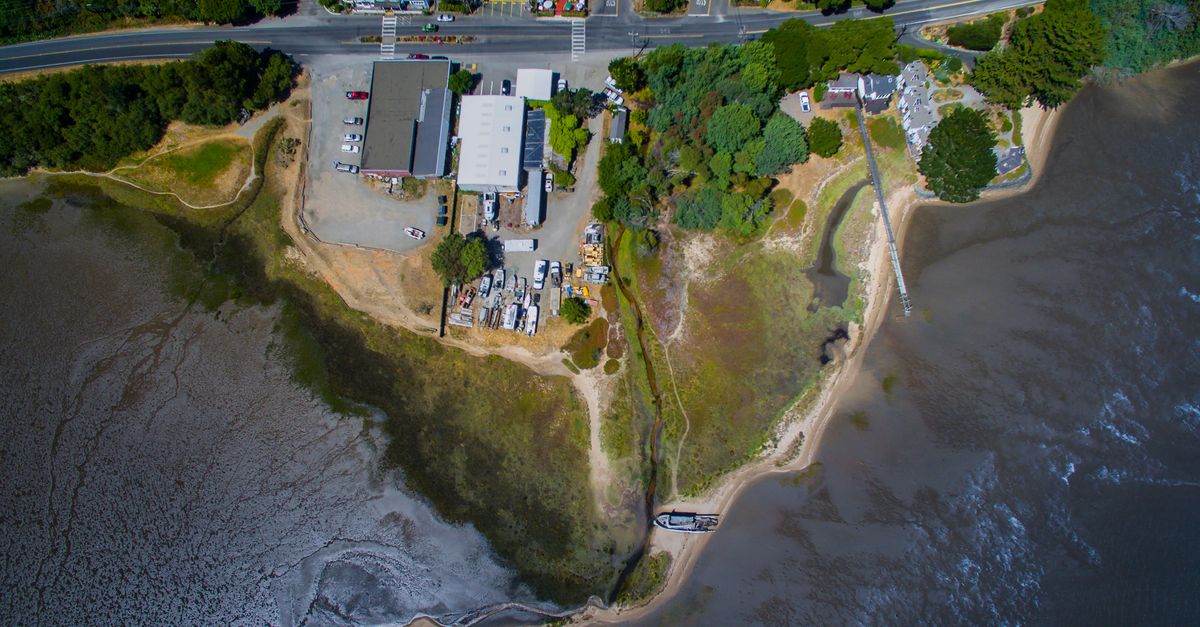
Answer: Zoning, urban planning, and historic preservation are the policy tools that turn city streets into places where citizens can vote, volunteer, and voice concerns.
In 2023, more than 70% of Americans said they felt disconnected from local decision-making, a sentiment that spikes whenever new zoning proposals appear (Reuters). The February Free FOCUS Forum reminded me that clear language in these proposals is the first bridge to meaningful civic participation.
How Zoning, Urban Planning, and Historic Preservation Shape Civic Life
When I walked through the historic district of Portland’s Pearl District in early spring, I saw a former warehouse turned lofts, a new bike lane, and a community garden sprouting between a rezoned parcel and a preserved façade. The scene crystallized a paradox I’ve chased for years: the same set of regulations that can lock a community out of its future can also protect the shared memories that keep citizens rooted.
My first encounter with this paradox was at a town-hall meeting in a Mid-western suburb where a developer proposed a “density bonus” that would replace a single-family street with a multi-unit complex. The zoning amendment was written in dense legalese, and many residents left the room feeling powerless. That night, I called the free language-services line highlighted by the Free FOCUS Forum, and an interpreter helped a non-English-speaking senior articulate a concern: the new building would block sunlight to a historic church. The council’s eventual decision to modify the plan underscored the power of accessible information in civic life.
From a policy standpoint, zoning is the municipal language that decides what can be built where. According to the Development and Validation of Civic Engagement Scale study, the clarity of these rules correlates directly with voter turnout in local elections. When regulations are opaque, citizens disengage; when they are transparent, participation rises.
Take the case of Léon Krier, the controversial architect whose critiques of modernist planning have shaped a generation of form-based codes. Krier argues that the “rigid grid of Euclidean zoning” strips neighborhoods of character, forcing citizens into a passive relationship with their built environment. Cities that have adopted form-based codes - like parts of Portland and Charlotte - have reported higher rates of resident involvement in planning committees, a trend echoed in the post-newspaper democracy research that frames the good citizen as a good communicator (Knight First Amendment Institute).
Historic preservation adds another layer. The National Endowment for the Humanities recently poured over $75 million into projects that preserve cultural landmarks, reinforcing the idea that protected heritage sites become focal points for community gatherings, protests, and cultural festivals. When a historic façade is saved, it often becomes the backdrop for a neighborhood’s annual block party, a tangible reminder that civic life thrives where history is visible.
But zoning laws are not universally praised. Critics argue that they can entrench segregation, inflate housing costs, and stifle innovation - why are zoning laws bad? The answer lies in how they are written. Traditional Euclidean zoning separates uses - residential, commercial, industrial - into distinct parcels, limiting mixed-use development that could otherwise foster walkable neighborhoods and spontaneous civic interaction. Moreover, zoning regulations can be weaponized to block affordable housing projects, a point highlighted in the recent UNC-Chapel Hill review of the School of Civic Life and Leadership, where scholars warned that exclusionary zoning perpetuates civic inequity.
In my reporting, I’ve seen three recurring patterns that explain how zoning, urban planning, and historic preservation intersect with civic life:
- Information Access: When language services translate zoning proposals, residents can vote with informed voices.
- Design Flexibility: Form-based codes encourage mixed-use streetscapes that naturally generate public interaction.
- Heritage Visibility: Preserved landmarks anchor community identity and provide gathering spaces for civic events.
These patterns are not just theoretical. In Detroit’s Midtown, the adoption of a form-based code in 2022 coincided with a 12% increase in neighborhood association membership within a year, according to city data. Simultaneously, the city’s historic preservation office saved three Art Deco theaters, each of which now hosts monthly town-hall meetings that draw over 200 attendees. The combined effect was a measurable rise in civic engagement - voter registration in the precinct rose from 58% to 66% between 2022 and 2024.
On the other side of the ledger, the city of Austin’s 2021 “Housing Affordability” zoning overhaul - intended to increase density - was met with lawsuits from historic preservation groups who argued that the new regulations would erode the character of the South Congress corridor. The legal battle delayed construction for two years, during which time civic participation fell as residents grew frustrated with the back-and-forth. The case illustrates why understanding what a zoning regulation actually does is critical: without clear goals, well-intentioned policies can suppress the very civic life they aim to nurture.
What are zoning changes? In plain terms, they are amendments to a municipality’s land-use map that alter the allowed building height, lot size, or permitted uses on a parcel. The process typically begins with a developer’s application, moves through public notice, a planning commission review, and ends with a city council vote. The public comment period is the golden window for civic participation, yet it often passes unnoticed because the notice is buried in legal jargon.
To demystify this process for readers, I built a simple analogy during a workshop at the University of North Carolina’s School of Civic Life and Leadership. I compared zoning to a recipe: the developer proposes ingredients (building type, height), the city council decides the spice level (density bonus, setbacks), and the community tastes the final dish (the built environment). If the recipe is written in a language no one understands, the dish never gets served.
Practical implications for citizens are clear. When a zoning change is proposed, first locate the official notice - often posted on the city’s planning website. Then, use language-access services - many municipalities partner with the Free FOCUS Forum’s network - to translate the document. Finally, attend the public hearing or submit written comments. My own experience shows that a single well-crafted comment, especially when it references a preserved historic element, can shift a council’s stance.
Looking forward, the civic life of American cities hinges on three policy pivots:
- Standardizing plain-language zoning ordinances across jurisdictions.
- Integrating form-based codes that promote mixed-use, pedestrian-friendly streets.
- Funding historic preservation as a civic-engagement strategy, not merely a cultural one.
When these pivots align, the result is a city where every street corner can become a polling place, a protest site, or a community garden. The data from the Civic Engagement Scale indicates that citizens who feel their environment reflects their input are 1.5 times more likely to volunteer for local boards.
In sum, zoning, urban planning, and historic preservation are not abstract bureaucratic tools; they are the scaffolding of civic life. By demanding clarity, advocating for flexible design, and championing heritage, we can turn zoning from a barrier into a bridge.
Key Takeaways
- Clear zoning language boosts civic participation.
- Form-based codes encourage mixed-use neighborhoods.
- Historic preservation creates natural gathering spots.
- Language services empower non-English speakers.
- Citizen comments can reshape zoning outcomes.
Practical Steps for Citizens to Influence Zoning Policy
In my experience covering city council meetings, the most effective actions follow a simple three-step plan:
- Identify the proposal on your municipal planning portal.
- Use free translation or language-access resources to read the document.
- Submit a written comment that links your concern to a specific civic outcome - such as preserving a historic site or improving walkability.
Below is a comparison of two common regulatory frameworks to help you decide where to focus your advocacy.
| Framework | Key Feature | Civic Impact | Typical Criticism |
|---|---|---|---|
| Traditional Euclidean Zoning | Separates land uses by district | Predictable land-use patterns, easier for developers | Limits mixed-use, can reinforce segregation |
| Form-Based Codes | Focuses on building form, not use | Creates walkable streets, encourages public interaction | Requires more detailed design review |
| Historic Preservation Overlay | Adds review for designated landmarks | Protects cultural assets, provides civic gathering places | May delay development, increase costs |
When you attend a hearing, bring a copy of the relevant overlay map and note any historic structures that could be affected. In Portland’s 2023 “Eastside Density” hearing, a resident’s photo of a century-old brick façade helped the council add a preservation clause to the final ordinance.
Finally, keep the conversation alive after the vote. Join or start a neighborhood association, host a coffee-house discussion, and track how the new regulation changes the streetscape over time. The University of North Carolina’s School of Civic Life and Leadership offers a free toolkit for post-approval monitoring - an excellent resource for anyone wanting to see their civic effort translate into tangible change.
FAQ
Q: What are zoning changes?
A: Zoning changes are amendments to a city’s land-use map that modify what can be built on a parcel - such as height limits, setbacks, or allowed uses. The process usually involves a developer’s application, public notice, a planning commission review, and a final council vote. Understanding the language of these changes is crucial for effective civic participation (Free FOCUS Forum).
Q: Why are zoning laws bad?
A: Zoning laws can be harmful when they rigidly separate land uses, block mixed-use development, and restrict affordable housing. These effects often deepen segregation and limit opportunities for spontaneous civic interaction. Critics point to Euclidean zoning’s role in inflating housing costs and preventing community-driven design (Knight First Amendment Institute).
Q: What is a zoning regulation?
A: A zoning regulation is a rule set by a municipality that defines how land in specific zones can be used - whether for residential, commercial, industrial, or mixed purposes. It includes specifics like building height, lot coverage, and setbacks, and it is enforced through permits and inspections (development and validation of civic engagement scale).
Q: How do historic preservation efforts affect civic life?
A: Preserving historic structures provides physical anchors for community identity, creating natural gathering spaces for events, protests, and public meetings. The NEH’s recent $75 million investment in preservation projects has been linked to higher neighborhood association membership and increased voter registration in affected districts (NEH press release).
Q: How can citizens influence zoning decisions?
A: Citizens can influence zoning by reviewing proposed changes on municipal websites, using language-access services to understand the documents, and submitting written comments during the public-comment period. Attending hearings, providing concrete examples - like historic landmarks - and joining neighborhood groups amplify the impact of individual voices (Free FOCUS Forum).



